Digital Tourism Think Tank (DTTT) is an international organization and professional network that helps tourism destinations adapt to change. Its areas of focus include digital technology, artificial intelligence, marketing, innovation and destination management. Organized in collaboration with Visit Turku Archipelago, CAMPUS 2026 invited tourism professionals to rethink how destinations are managed and develop practical approaches they could apply in their own regions.
For the participants, this meant exploring shared challenges through the places and people around them. Discussions about sustainability, collaboration and tourism’s impact continued outside formal sessions, with local experiences in Turku and Ruissalo island creating opportunities to exchange ideas and get to know fellow professionals.
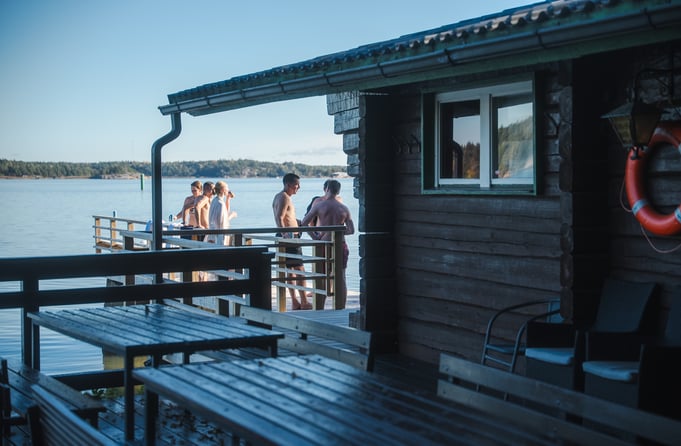
Delegates enjoying the archipelago view during the sauna workshop
A Setting that Changes the Conversation
CAMPUS’ immersive working programme explored sustainability through direct experience within a destination's natural landscape. "The landscape is the classroom" was a central concept: every venue was carefully chosen to connect directly with real-world travelling experiences and sites, rather than traditional indoor lecture halls. Workshops were built around sauna culture, local food and archipelago nature.
The founder and CEO of DTTT Nicholas Hall muses that the sauna as a setting for a workshop encouraged participants to think critically in ways they might have otherwise struggled to do. In the sauna phones and distractions are set aside, giving more space for connection and shared experience.
The Archipelago Attracted CAMPUS to Turku
The idea of bringing CAMPUS to Turku grew from Hall’s interest in the region’s destination development and its Saaristo branding. He wanted international tourism professionals to experience the archipelago themselves and connect that experience with the event’s focus on sustainability, innovation and destination management.
Ruissalo offered a setting in which those subjects could be explored together. The forest, the sea and the local venues became part of the working programme, giving participants shared experiences to draw on in their discussions.
Hall also saw potential for other business events in the region’s properties surrounded by nature. Learning that these venues could be booked privately for groups opened up possibilities for meetings and retreats shaped around their surroundings.
For organizers, this combination offers flexibility: a programme can bring people together in the city and then take them into places that encourage a different pace and perspective.
“It's very much undiscovered. There’re so many choices. Turku is a great city, very accessible, very easy to get around,” Hall says.
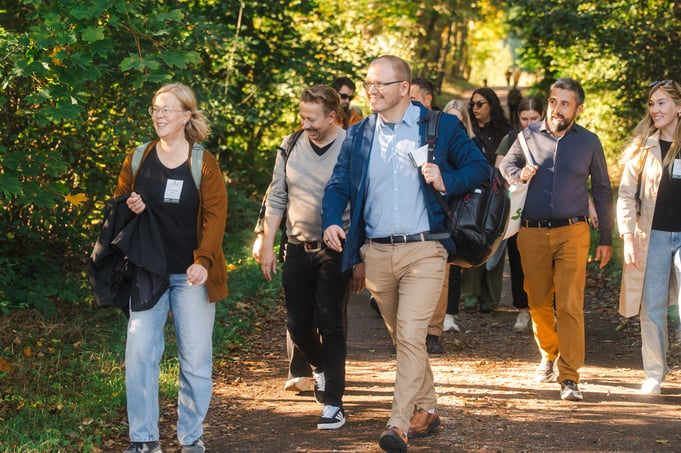
Heading out to experience a nature walk in Ruissalo island
Pleasant Transition from City to Island Nature
Delegates were accommodated in Turku with some of the evening programme happening in the city’s abundant restaurant scene. The main programme and the workshops were held on Ruissalo boat yard, on an island a short bus drive away from the city center. The transition from urban Turku to Ruissalo made a particular impression on the participants. Crossing the bridge onto the island brought a sense of escape, with forest and water replacing the city surroundings.
That contrast became a highlight of CAMPUS for numerous participants. The ability to experience the city while also spending time immersed in island nature was a novel experience for many. For an event built around reflection and collaborative work, the change of surroundings gave the programme a distinctive character as well.
“I just think that makes it really special. And for even for residents who live in the city, it must feel so nice to just get to this point and be able to breathe, to feel the forest around them, and to be so close to the water. So for me, Ruissalo has just been incredible, and it just leaves me a little bit wondering what the rest of the archipelago has to offer with so many thousands of islands. It definitely warrants a much, much longer visit.” Hall contemplates.
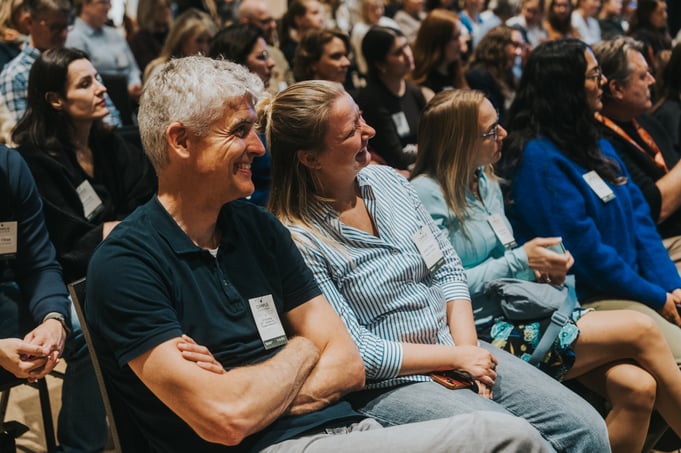
Listening to keynote speakers at Ruissalo Boat Yard
A Welcome that Encourages a Return
Alongside the beautiful surroundings, the local people got some great feedback as well.
“People are super friendly. Even when I arrived just strolling around the city, people started talking to me and explaining things,” says Katrin Erben from Austria.
Human encounters were central to CAMPUS. Workshops in different surroundings encouraged participants to get to know each other with many laughs and even tears of emotion shared around exchanges. Delegates described opportunities to learn from one another and explore difficult questions as some of the best parts of the experience.
The experience also resonated with Marco Lucero from Chile. Alongside the professional discussions about measuring tourism’s impact, his first visit to Finland introduced him to the local surroundings and culture.
“I was very happy to get to know people and the culture and the beautiful landscape, and I felt very welcomed.” he recounts.
The visit also sparked an interest in returning: “I will definitely come again. I hope to come with my family and my little daughters. So yes, I will definitely be coming back.” he laughs.
Hall’s experience contemplated further possibilities for bringing professional groups to the region. For CAMPUS, Turku and the archipelago offered places where the event’s ideas could be discussed, experienced and questioned together. Asked whether he would organize another event here, Hall’s answer was clear:
“I would definitely hold an event here again. I think there’s no doubt about it.”
Text: Melina Lehtinen
Photos and Videos: Niko Kotiranta, Jorgo Kokkinidis