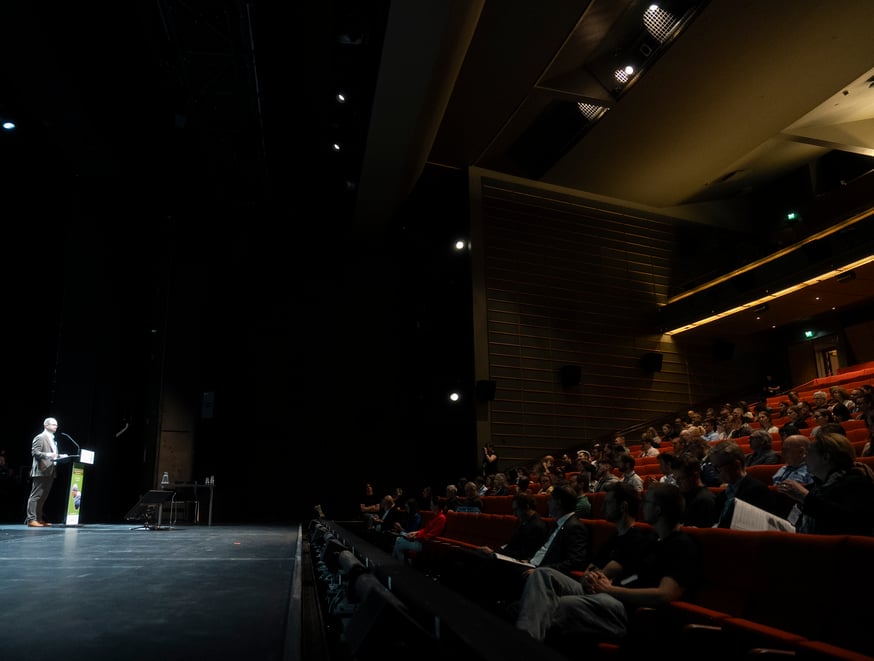
“RRB2025 promises a dynamic platform for dialogue and development, where academic excellence meets industrial relevance and entrepreneurial vision. Participants can expect inspiring keynote lectures, technical sessions, poster presentations, and valuable networking opportunities in a city that beautifully blends scientific heritage with Nordic innovation,” says Professor Yagut Allahverdiyeva-Rinne from the University of Turku.
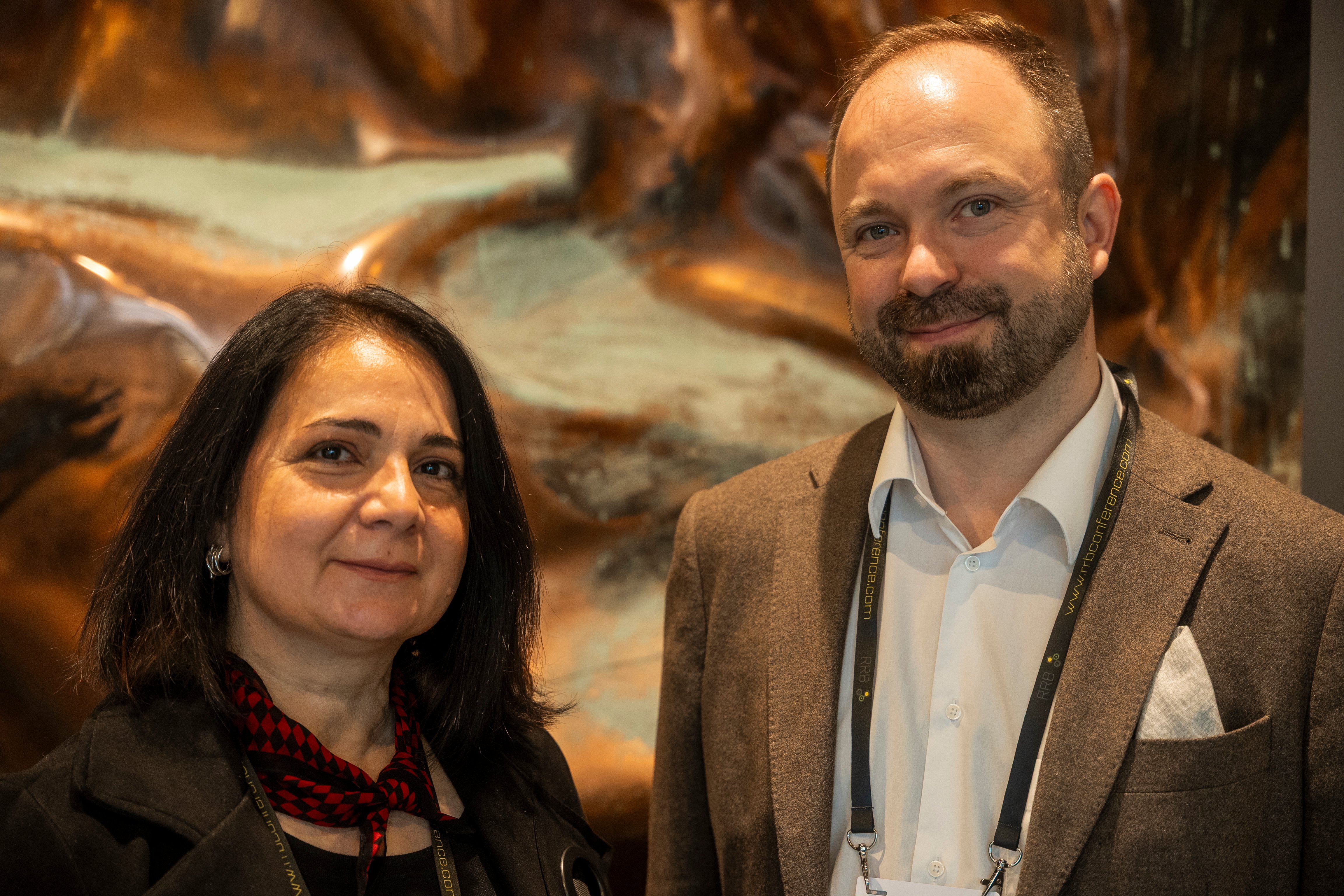
Yagut Allahverdiyeva-Rinne and Henrik Grénman
Networking and Interdisciplinary Perspectives
The initiative to bring the conference to Turku came from Professor Henrik Grénman of Åbo Akademi. He had for the first time participated in the RRB in 2018.
“The idea of bringing the event to Turku stemmed largely from that the earlier experiences. On the first application round, the event went to Riga, but with a new strategy and collaboration with the University of Turku, we finally succeeded in bringing RRB to Turku,” Grénman explains.
According to Grénman, the RRB Conference stands out from many other events in the field due to its broad scope and interdisciplinary nature: “Participants had the opportunity to hear presentations outside their own areas of expertise, which created completely new points of contact and collaboration opportunities. I believe this will lead to new research and scientific work and open up entirely new possibilities for the participants.”
Attendees came from Africa, India, and China, as well as from many parts of Europe. Finnish representation was also strong, with researchers from Aalto University, the University of Eastern Finland, Oulu, Jyväskylä, and naturally, Turku.
Turku Impressed as a Conference City
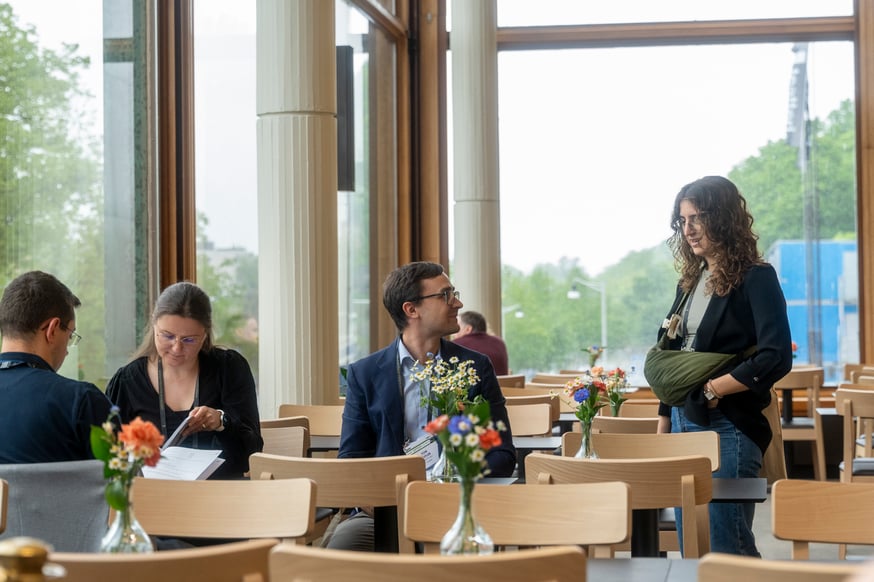
The main venue for the conference was the Turku City Theatre, which received plenty of praise for its bright and functional spaces and technical quality. “The participants were exceptionally satisfied: the bright hall, excellent sound system, and smooth technology made a strong impression,” says Grénman.
Attendees also got to know Turku through a walking tour and a reception held aboard the Suomen Joutsen. “The maritime environment and history of the Suomen Joutsen fit the theme perfectly,” Grénman says. The program also included a gathering at the Sibelius Museum, an evening event at Restaurant Grädda by the Aura River, and the opportunity to visit the Meyer Turku shipyard as part of the post-conference activities.
Turku Sparked Interest – and a Desire to Return
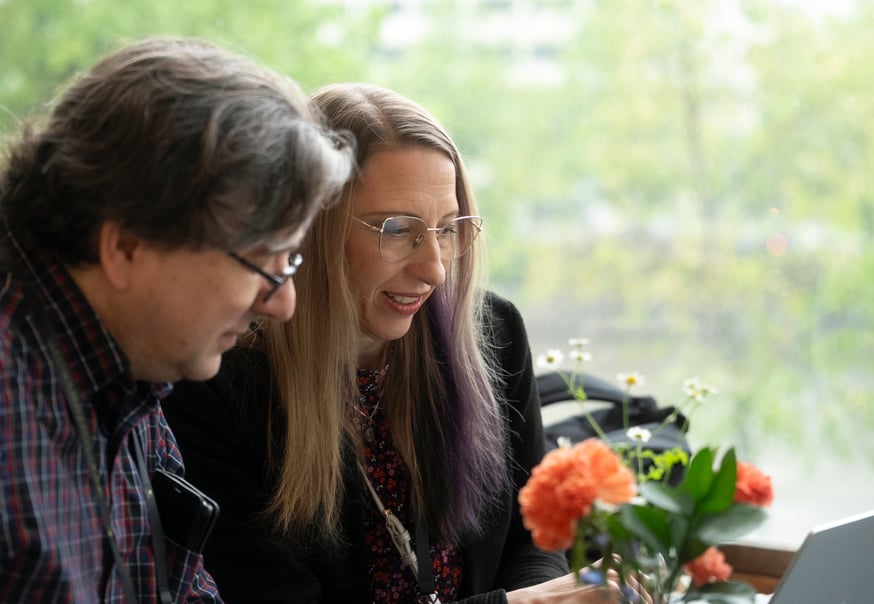
For many international participants, Finland and Turku were previously unfamiliar. Grénman received a great deal of feedback praising the atmosphere and beauty of the city: “Many expressed a clear desire to return and get to know, for example, the archipelago better.”
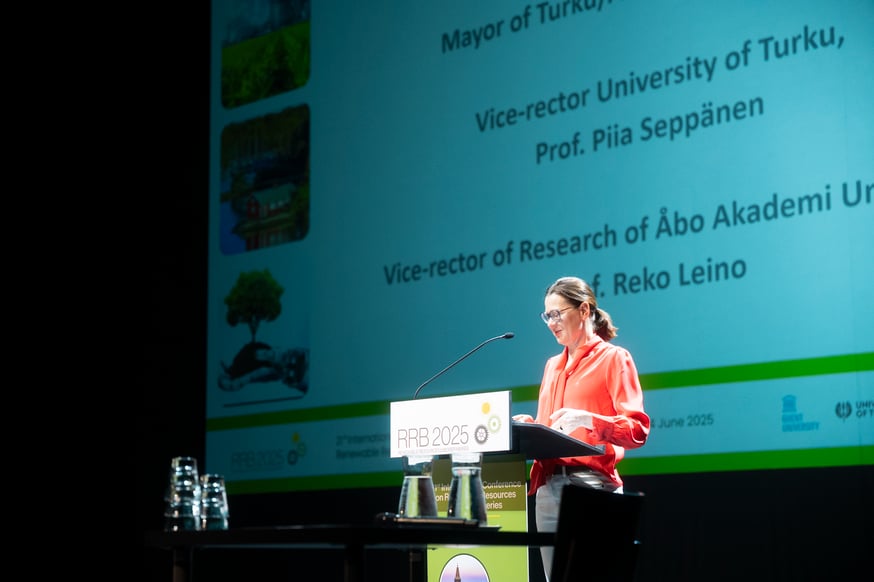
The City of Turku’s involvement was also memorable: “Mayor Minna Arve’s opening speech was knowledgeable and deepened the sustainability theme. It conveyed a strong commitment to the topic.”
The Power of Collaboration
The conference was organized through extensive collaboration between Åbo Akademi University, the University of Turku, and Ghent University. “This was a great example of how collaboration works when the parties complement each other. I believe we should continue this kind of cooperation in the future,” Grénman states.
He also highlights the practical support provided by Visit Turku Archipelago. “We received excellent service and a great deal of hands-on assistance with the arrangements, such as the preparatory visits of international colleagues. Having a knowledgeable local partner lowered the threshold and saved a huge amount of time. It also encourages us to organize similar conferences again. Without this support, it would be hard to see how such an ambitious event could be carried out alongside regular work. This lays the foundation for future conferences.”
Text: Heli Nieminen
Photos: Niko Kotiranta